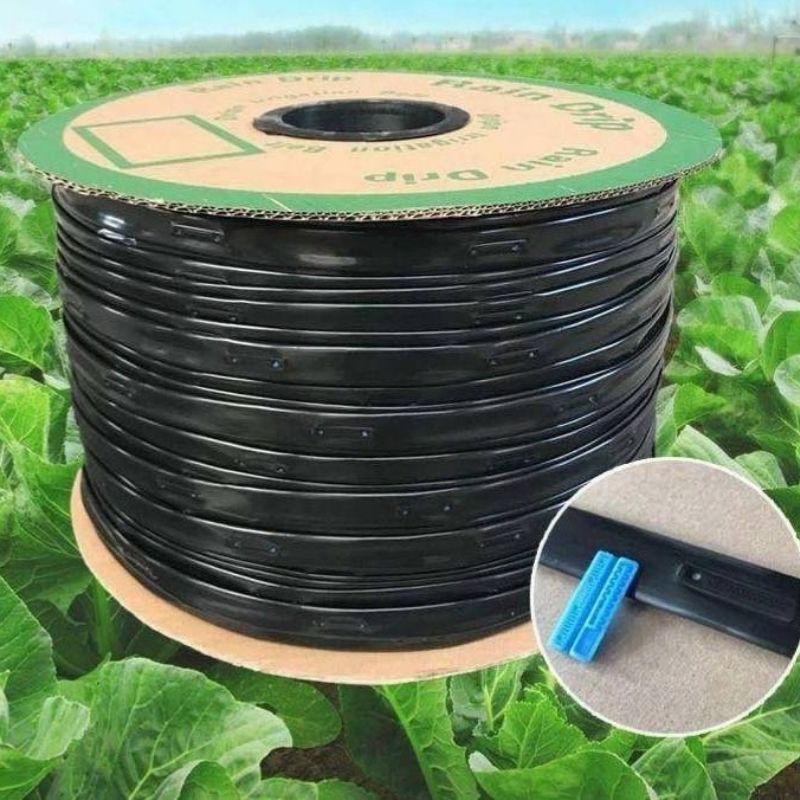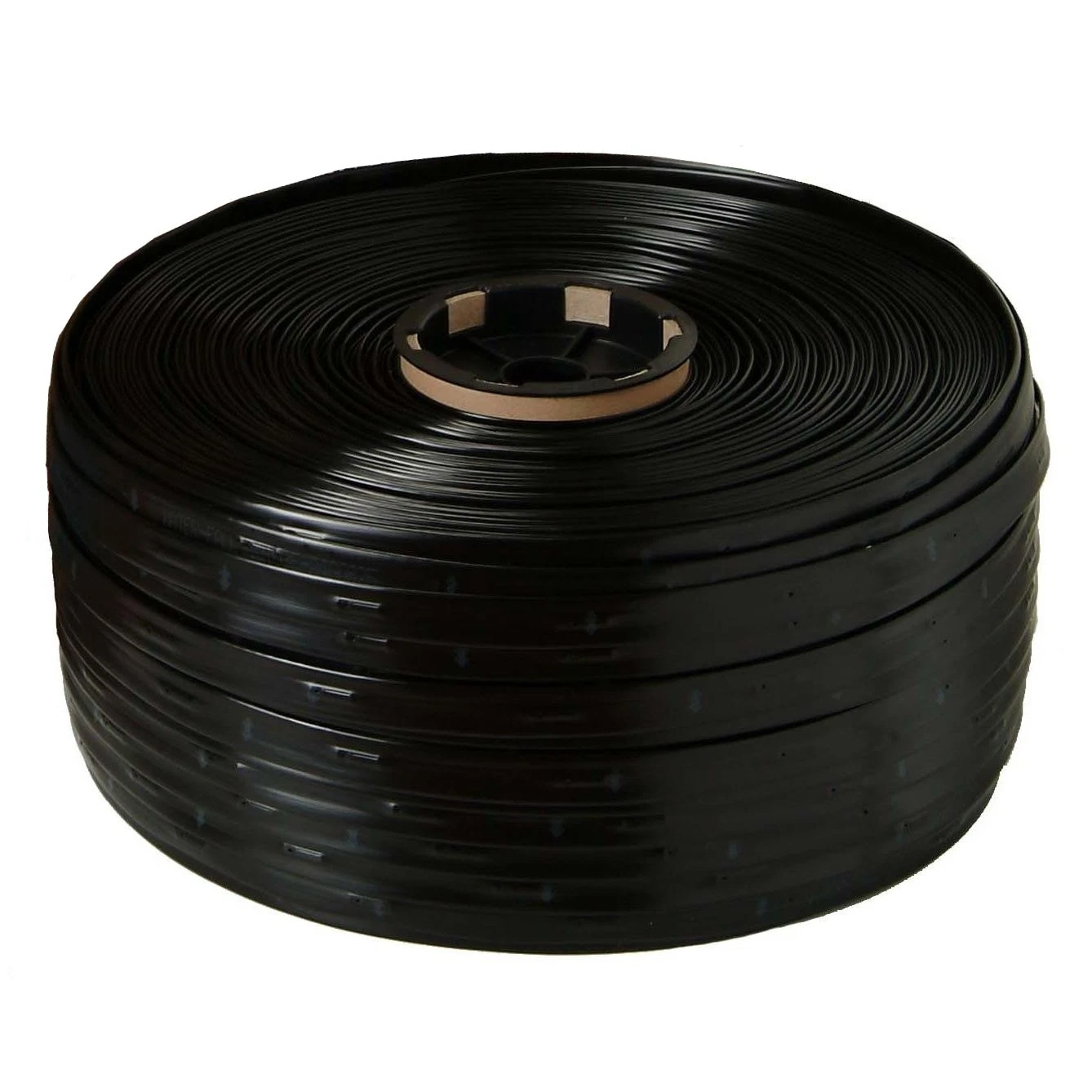




April 9, 2026 News: With the in-depth implementation of the country's "Four Water Quotas" principle, the implementation of the water-saving irrigation deployment in the central government's No.1 document, and the support of value-added tax preferential policies, the drip irrigation tape, as the core component of an efficient water-saving irrigation system, has entered a golden period of high-quality development. According to the latest data from the Ministry of Agriculture and Rural Affairs, the market size of drip irrigation tapes in China exceeded 80 billion yuan in 2025, with a compound annual growth rate of 12.3%. It is expected that the market size will approach 90 billion yuan in 2026, and the coverage rate in arid areas will exceed 65%, becoming a key equipment for promoting the transformation of agricultural water-saving and ensuring food security.
The continuous release of policy benefits has injected strong impetus into the development of the drip irrigation tape industry. On January 1, 2026, the Ministry of Finance and the State Taxation Administration issued a notice clearly stating that from January 1, 2026 to December 31, 2027, drip irrigation tapes and drip irrigation pipes are exempt from value-added tax. This significantly reduces the cost pressure on production enterprises and farmers, accelerating the popularization and promotion of drip irrigation technology. At the same time, the 2026 Central Document No. 1 clearly proposed to promote green production and water-saving irrigation technologies, and to intensively implement the new round of 100 billion kilograms of grain production capacity enhancement action. Various regions have successively introduced supporting policies, incorporating the promotion of drip irrigation tapes into high-standard farmland construction and key projects for rural revitalization. Among them, agricultural provinces such as Gansu, Xinjiang, and Shandong have even increased subsidy efforts to promote the wide application of drip irrigation tapes in field crops and economic crops, further expanding the market space of the industry.
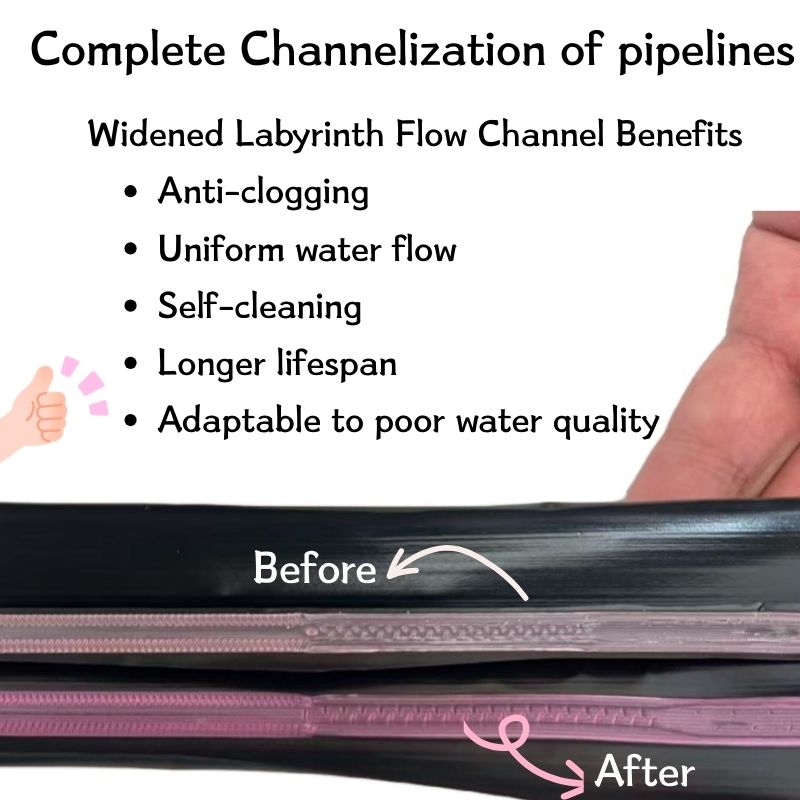
Technological innovation drives product upgrades, addressing industry pain points while enhancing core competitiveness. Currently, the drip irrigation tape industry has shifted from "mass production" to "precise, efficient, green and durable" production. A number of core technologies have been achieved breakthroughs. Companies have launched innovative products, such as a three-dimensional bionic flow channel drip irrigation tape that imitates the structure of lotus root conduits, with a particle interception rate of up to 99.7%, capable of operating stably in high-silt content irrigation water for a long time; enterprises like Beijing Green Source Huipin have introduced aerospace-grade PID temperature control technology into the drip irrigation field, developing pressure-compensated drip irrigation tapes that can work stably in extreme temperatures ranging from -15℃ to 60℃, and the accompanying graphene anti-corrosion coating extends the service life to 10 years. Moreover, new products such as buried drip irrigation solutions and intelligent drip irrigation tapes are constantly emerging. Among them, the intelligent drip irrigation tape is equipped with a pressure sensor and flow monitoring module, which can remotely control irrigation parameters through a mobile phone APP, achieving precise water supply and water-fertilizer integration, significantly improving irrigation efficiency and crop yield.
The market application continues to expand, and regional demand shows a diversified growth trend. In arid areas such as Shandan in Gansu Province, drip irrigation tapes have become the core solution to address water shortages and promote the transformation and upgrading of agriculture. Through the promotion of shallow-buried drip irrigation technology, local areas have achieved water savings of over 30% and fertilizer savings of over 20%, effectively solving the collaborative problem of "water conservation" and "water saving". In 2026, it is planned to expand the application of shallow-buried drip irrigation technology to 450,000 mu. From a national perspective, drip irrigation tapes have been applied to various crops such as wheat, corn, cotton, fruits and vegetables. Among them, field crops remain the main application scenario, accounting for 45%. The demand in the field of facility agriculture and high-value economic crops is growing the fastest. In terms of regional distribution, arid areas in the northwest and north are still the core markets, with a coverage rate exceeding 65%. At the same time, the demand in the concentrated facility agriculture areas in the east and south is continuously rising, and the potential of the county-level markets in the central and western regions is gradually being released, becoming new growth poles for the industry.
The competitive landscape in the industry has continued to improve, with a clear trend towards branding and scale expansion. Currently, the drip irrigation tape industry has overcome the predicament of low-price competition and is gradually shifting towards "technological competition and service competition". A number of enterprises with core technologies and complete service systems have emerged. Companies such as Haifa Pus, Shaanxi Yipin Nong, and Henan Huayuan Water Saving have gained a dominant position in the market by leveraging their technological advantages, cost advantages, and local services. Shaanxi Yipin Nong has an annual production capacity of 100,000 tons and its services cover over 600,000 mu of farmland in the northwest region. They have established an efficient warehousing, logistics, and after-sales system, and can deliver urgent orders within 48 hours. At the same time, the industry's standardization level has been continuously improving. Enterprises are increasing their research and development investment and promoting the pilot promotion of biodegradable drip irrigation tapes. They plan to achieve full implementation of biodegradable products by 2027, further aligning with the green agriculture development concept and promoting the industry towards a sustainable direction.